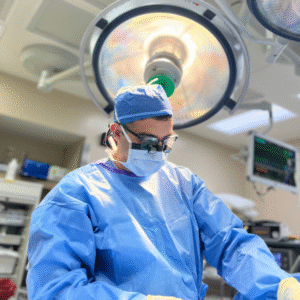
Oculoplastic & Reconstructive Surgery
Oculoplastic surgery focuses on the delicate structures surrounding the eye — including the eyelids, orbit, and tear drainage system. These procedures offered at our Denver surgical center address both functional and cosmetic concerns resulting from aging, trauma, congenital conditions, or medical illness. With subspecialty training in this highly focused field, our surgeons are uniquely qualified to restore form and function with precision and care.
Treatment Benefits
Why Consider Reconstructive Surgery?
When the tissues around the eyes are affected by drooping eyelids, blocked tear ducts, tumors, or structural trauma, restoring both appearance and proper function requires deep anatomical expertise. Unlike general plastic surgeons, oculoplastic specialists are trained in both ophthalmology and advanced facial surgery — ensuring safe, effective treatment in this sensitive area.
Oculoplastic Surgeries Provide:
- Improved vision or eye comfort by correcting eyelid malposition
- Repair of post-traumatic injuries to the eyelids or eye socket
- Treatment of chronic tearing or blocked tear ducts
- Removal of benign or malignant lesions with aesthetic reconstruction
- Enhanced symmetry and natural contour restoration
Oculoplastic & Reconstructive Surgeries Offered in Denver
If you’re dealing with chronic or complex conditions involving your eyelids or facial structure, there are many surgical solutions which can provide both relief and long term aesthetic enhancements. Explore our most commonly performer oculoplastic and reconstructive surgeries below, and if you feel that you may benefit from one of these treatment options, contact our offices in Denver today to set up a consultation with our tenured surgical team.
EYELID ABNORMALITIES
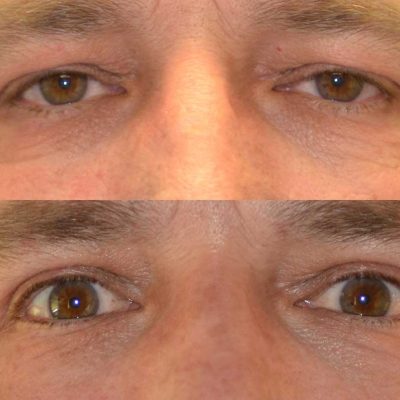
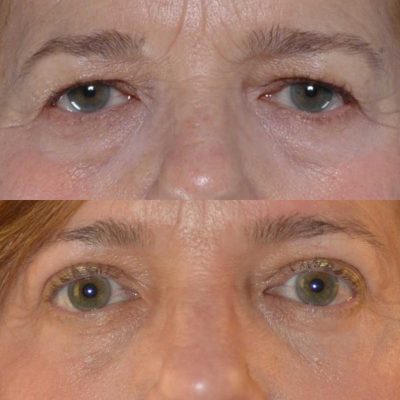
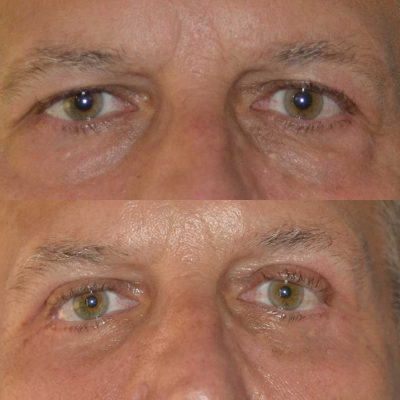
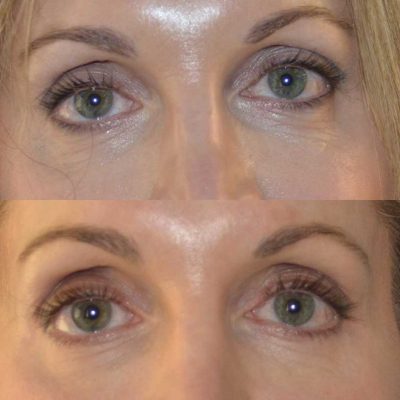
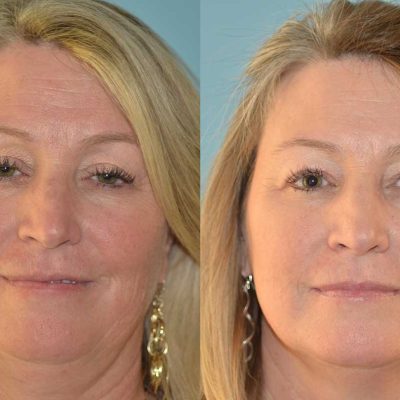
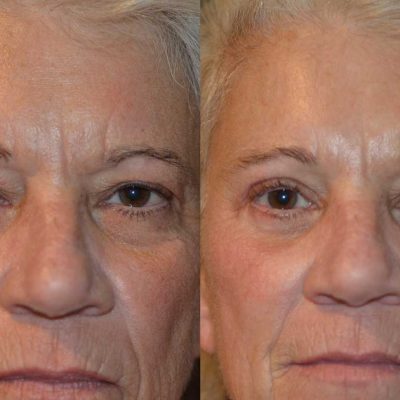
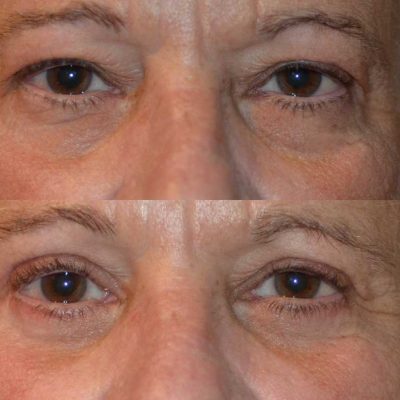
Eyelid abnormalities can develop due to aging, genetics, trauma, or underlying medical conditions—and often affect both appearance and function. These conditions may lead to discomfort, visual obstruction, or irritation and are best addressed by a specialist trained in both ophthalmic and reconstructive surgery. At Park Avenue OculoPlastic Surgeons, each condition is carefully evaluated and treated with a surgical approach tailored to the individual’s anatomy and needs.

How Surgery for Eyelid Abnormalities Works
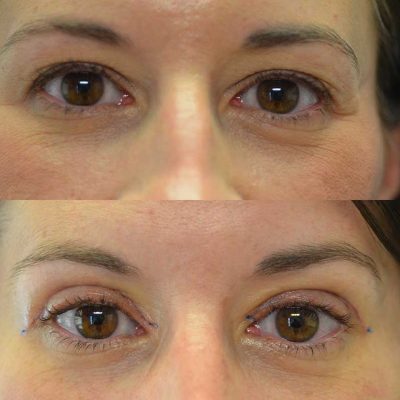
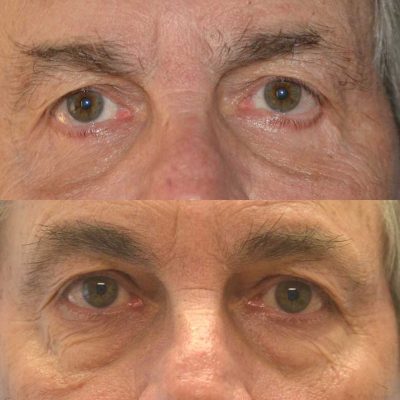
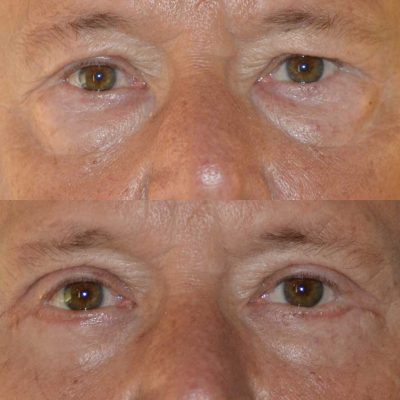
Treatment for eyelid abnormalities typically involves outpatient surgery to restore proper eyelid position and function. Depending on the diagnosis, procedures may include tightening of the eyelid tendons, removal of excess skin or tissue, or repositioning of the eyelid margin. These surgeries are performed with precision to protect the eye while improving comfort, appearance, and in many cases, visual field.

Conditions This Can Address:
- Ptosis: Drooping of the upper eyelid that may obstruct vision or cause fatigue
- Dermatochalasis: Excess upper eyelid skin leading to heaviness, a tired appearance, or visual obstruction
- Ectropion: Outward turning of the lower eyelid causing tearing, irritation, and redness
- Entropion: Inward turning of the eyelid, often causing lashes to rub against the eye, leading to discomfort or damage
- Eyelid malpositions caused by trauma, scarring, or previous surgeries
- Chronic tearing or eye surface irritation due to poor eyelid support
TEAR DRAINAGE ABNORMALITIES
How We Correct Tear Drain System Abnormalities
Treatment often involves creating a new drainage pathway between the tear sac and nasal cavity, typically through a minimally invasive, endoscopic approach. This non-incisional method avoids external scarring and allows for faster recovery. Depending on the cause and severity of the blockage, additional techniques such as balloon dilation or stent placement may also be used.
Conditions This Can Address:
- Chronic tearing (epiphora) due to blocked tear ducts
- Recurrent dacryocystitis (tear duct infections)
- Nasolacrimal duct obstruction in adults
- Congenital tear duct blockages
- Incomplete or narrowed tear drainage pathways
- Previous failed lacrimal surgeries requiring revision
ORBITAL (EYE SOCKET) ABNORMALITIES
The orbit—commonly referred to as the eye socket—is a highly complex structure composed of bone, fat, muscles, nerves, and blood vessels that support and protect the eye. Orbital conditions may arise from trauma, tumors, systemic disease, or congenital abnormalities, and can significantly impact vision, eye movement, and appearance. As fellowship-trained oculoplastic surgeons, Dr. Popham and Dr. Vaishnav are uniquely qualified to treat these delicate structures with precision and care.

How We Correct Eye Socket Abnormalities
Surgical treatment of orbital conditions typically involves carefully repositioning displaced tissues, removing masses, or decompressing areas of pressure around the eye. These procedures often require advanced imaging, specialized approaches such as transconjunctival (no visible incision) access, and deep knowledge of orbital anatomy. Each case is evaluated individually to determine the safest and most effective surgical plan, with the goal of restoring both function and appearance.
Conditions This Can Address:
- Orbital Floor / Blowout Fractures: Repair of fractures from trauma that may cause double vision, sunken eyes, or restricted eye movement
- Orbital Tumors: Biopsy and removal of benign or malignant masses causing displacement, vision loss, or pain
- Thyroid Eye Disease (Graves’ Orbitopathy): Management of eye bulging, double vision, or optic nerve compression from autoimmune thyroid-related inflammation
- Enophthalmos / Hypoglobus: Correction of sunken or displaced eyes following trauma or bone loss
- Proptosis (eye bulging): Reduction of eye protrusion using orbital decompression techniques
- Congenital or developmental orbital abnormalities
FACIAL MUSCLE ABNORMALITIES
Certain neurologic or muscular conditions can lead to involuntary facial movements such as chronic eyelid twitching, facial spasms, or even sustained eyelid closure. These issues—often categorized as muscle dystonias—can severely affect vision, comfort, and quality of life. At Park Avenue OculoPlastic Surgeons, these conditions are managed with advanced precision, using non-surgical interventions like BOTOX® to safely restore function and comfort.

How We Correct Facial Muscle Abnormalities
BOTOX® (botulinum toxin type A) is used to block nerve signals that cause abnormal muscle contractions, offering relief for conditions like blepharospasm (involuntary eyelid closure), hemifacial spasm, and facial nerve dysfunction. Injections are quick, typically completed in under 15 minutes, and effects last approximately three to four months. Dr. Popham has been treating medical muscle dystonias with BOTOX® since 1990 and is nationally recognized for his expertise in both functional and cosmetic applications.
Conditions This Can Address:
- Blepharospasm: Chronic, involuntary eyelid closure that may impair vision
- Hemifacial Spasm: Twitching or contraction of muscles on one side of the face
- Facial Contractures: Muscle tightening following nerve injury or trauma
- Facial Nerve Disorders: Resulting in asymmetry or uncontrolled movements
- Migraine-Associated Muscle Tension: Select cases managed with targeted injections
- Medical indications for BOTOX® in patients with movement disorders
RECONSTRUCTIVE SURGERY
Reconstructive surgery restores both form and function to the delicate structures surrounding the eyes, particularly after trauma, medical illness, or previous surgery. Dr. Popham is a nationally recognized oculoplastic surgeon with extensive experience in addressing complex facial and orbital concerns — especially in cases where vision, appearance, or tear function are affected. His focus is on achieving results that are medically sound, functionally effective, and aesthetically refined.

How Does Reconstructive Surgery Work?
Depending on the condition, reconstructive surgery may involve repairing damaged tissues, repositioning displaced structures, or reconstructing features that have been altered by trauma, disease, or prior procedures. These surgeries are highly individualized and may use both traditional and endoscopic techniques to minimize scarring and preserve natural anatomy. In many cases, reconstruction also helps restore vision, tear function, and facial balance.
What Reconstructive Surgeries Can Address:
- Eyelid reconstruction following trauma, tumor removal, or prior surgery
- Tear drainage system repair or reconstruction
- Orbital fracture and trauma repair after accidents or blunt force injuries
- Correction of complications from prior cosmetic eyelid procedures
- Reconstruction following skin cancer excision or Mohs surgery
- Management of thyroid eye disease (Graves’ orbitopathy)
- Treatment of congenital or acquired deformities affecting the upper face or eye socket
Denver's Oculoplastics & Reconstructive Experts
Highly Specialized Plastic Surgeons
At Park Avenue OculoPlastic Surgeons, Dr. Popham and Dr. Vaishnav bring advanced fellowship training and decades of combined experience to patients in Denver, CO – performing advanced and highly specialized surgical procedures for the most delicate areas of the face. From trauma repair to eyelid reconstruction and tear duct surgery, they offer a level of precision and expertise that is unmatched in the Denver area.
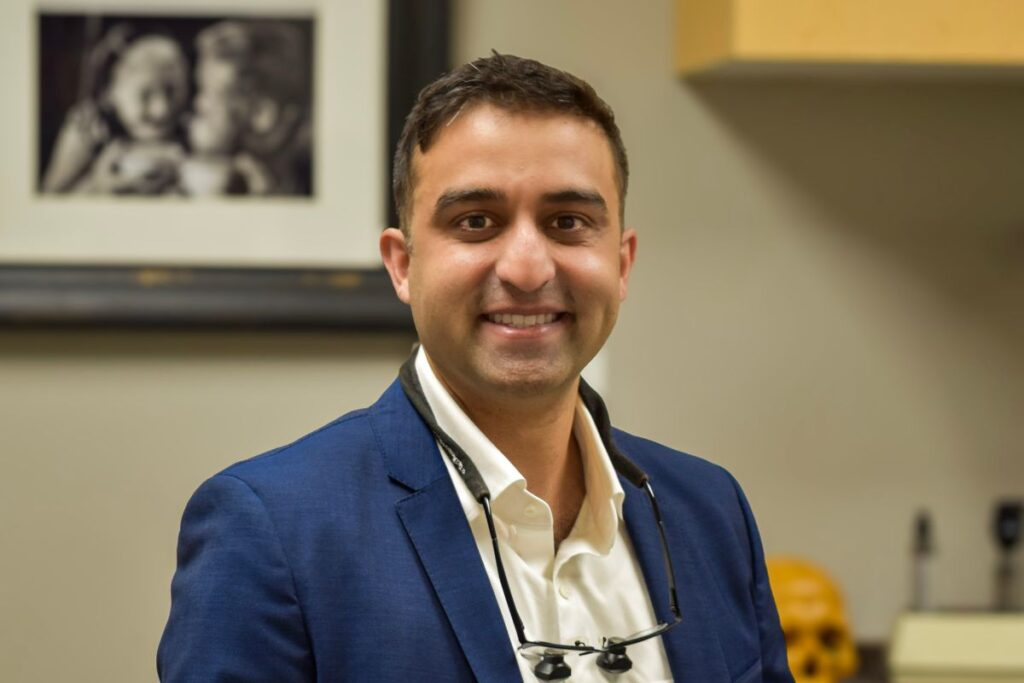
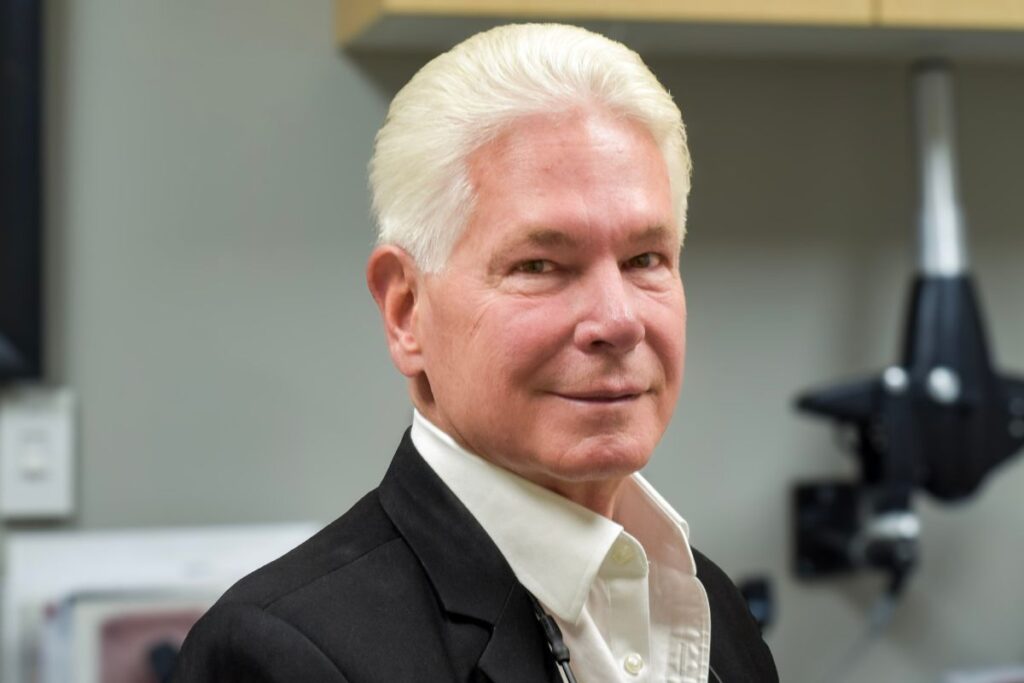
Dr. Jerry Popham
M.D., F.A.C.S.
A Harvard-trained oculofacial plastic surgeon, Dr. Popham is widely regarded as one of Colorado’s foremost experts in eyelid, orbital, and tear duct surgery, and has authored national surgical training materials in this field. His experience spans thousands of complex procedures, from trauma repair to advanced lacrimal system reconstruction.
Dr. Yash Vaishnav
M.D.
Dr. Vaishnav completed his fellowship in oculofacial plastic and reconstructive surgery at Vanderbilt University Medical Center, training extensively in orbital, eyelid, and lacrimal system repair. He brings a precise, patient-centered approach and advanced skillset to the management of facial trauma, congenital anomalies, and conditions like thyroid eye disease.
We're Waiting To Hear From You!
Testimonials & Reviews
See What Our Patients In Denver Are Saying
Trustindex verifies that the original source of the review is Google. One year ago I was diagnosed with basal cell carcinoma in the corner of my eye close to my nose. I underwent an extensive Mohs surgery. The cancer was so deep, they had to remove my tear duct and drain in the process. As well as most of my eyelid. Dr. Vaishnav and his team completed my reconstruction surgery. I cannot express how grateful I am for the care I received. Dr. Vaishnav made me feel incredibly comfortable, explained the process thoroughly and treated me with compassion. I admire Dr. Vaishnav's confidence the most. I was always in good hands. Dr. Vaishnav did an incredible job with the reconstructive repair. If you are facing Mohs surgery and need reconstruction surgery, I highly recommend this team—they are truly professional, caring, and experts at what they do. You have my heartfelt gratitude and respect.Posted on Billie HTrustindex verifies that the original source of the review is Google. Excellent surgery. Excellent aftercare.Posted on Steven LTrustindex verifies that the original source of the review is Google. Dr Vashnav and all of the staff were wonderful. Caring, kind, attentive and informative. Great results and follow ups.Posted on Mimi dTrustindex verifies that the original source of the review is Google. My experience with Dr Vaishnav and the surgical team was excellent. I was referred to PAOS through Kaiser, and the billing and coverage were seamlessly handled between PAOS and KP. I needed ptosis and blepharoplasty procedures for both eyes, and Dr Vaishnav listened to and delivered on what I wanted in terms of a natural appearance. The procedure was quick and the surgical team was caring and personable. My vision is much more open and brighter thanks to Dr Vaishnav and PAOS.Posted on Wendy TTrustindex verifies that the original source of the review is Google. Great place, with excellent nurses, techs, and doctors! Dr. Chan is literally the best doctor ever, very great listener and highly trained. He truly cares about helping his patients feel better. My pre-op nurse was Eric and he was very kind, efficient, empathetic, and skilled. I also had Cindy and Sabeena, who were also fun, kind, and skilled.Posted on J PTrustindex verifies that the original source of the review is Google. Dr. Yash Vaishnav is amazing! I’ve had the bad luck of having to get a Mohs procedure near my eye, in my 30s, and although it’s been unfortunate to have to have it done at my age Dr. Vaishnav not only did a great job with my procedure, but also has provided great continuity of care post op. I still have scarring and swelling (which is totally normal) a few months post op, and he has been diligent with follow ups in order to get me as close to normal as possible. Some surgeons just preform the surgery and move on, but he has truly cared about the healing of my eye and my concerns. I’m very happy I was referred to him and his team and would recommend him to anyone going through the same thing!Posted on Hannah RTrustindex verifies that the original source of the review is Google. Dr.Vaishnav was so very competent, reassuring and did excellent work. I am so very pleased and grateful to him.. His staff was very pleasant and informative.Posted on Marty M